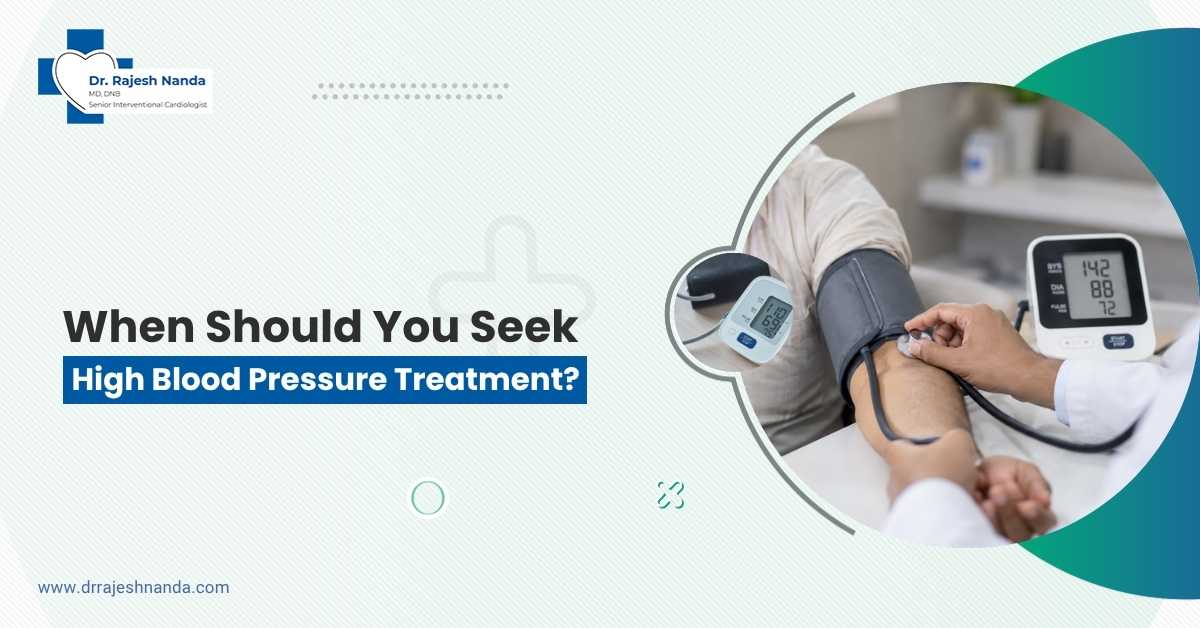


It started with something as ordinary as a morning headache. A 50-year-old man checked his blood pressure at home before leaving for work and got a reading of 158/96 mmHg, much higher than he expected. However, since he was unaware of what to do next, he thought it would come down after some time and completely ignored it since he felt fine other than the headache.
.jpg)
This is exactly why knowing when to seek High Blood Pressure (Hypertension) Treatment in Siliguri matters. High blood pressure often develops quietly, without obvious warning signs, until it begins affecting the heart, brain, kidneys, or blood vessels. Don’t worry, you are in the right place. In this blog, you will learn when to seek treatment for this situation.
Also Read: How do I recognize congestive heart failure symptoms?
Why is High Blood Pressure A Serious Matter?
An irregular blood pressure reading is not necessarily a sign of hypertension and can temporarily increase due to external environmental factors and body characteristics:
- Stress
- Physical activity
- Coffee
- Lack of sleep
- Rushing to work or other events
On the other hand, consistently high blood pressure values are considered a serious problem. According to the AHA classification, high blood pressure(hypertension) for adults is characterized by:
- Stage 1- Blood pressure(BP) ranging from 130-139mmHg/80-89 mmHg
- Stage 2- BP equal to or exceeding 140mmHg/90 mmHg
The main thing to remember is that there is no need to wait for the symptoms of high blood pressure to appear.
When To Consult a Doctor About High Blood Pressure?
You should contact a healthcare provider to find out if you actually have high blood pressure if:
- Your blood pressure readings regularly exceed 130/80 mmHg
- Your blood pressure readings regularly exceed 140/90 mmHg
- Your blood pressure readings regularly rise, even after lifestyle modifications
- You are on medication, but your high blood pressure remains high
- You have additional signs and symptoms
- You have inconsistent results when using two different blood pressure monitors
A doctor can help you control and reduce high blood pressure - a simple examination room conversation and several readings could be enough to understand what is happening with your body.
When is High Blood Pressure an Emergency?
If you have a sudden high blood pressure spike, you may not know what to do next. There is no need to panic, but you need to understand the difference between a high blood pressure reading and a hypertensive crisis. If your blood pressure was previously normal, try measuring it again in about 1 minute. If the values remain high, consult a doctor. It is vital to understand what blood pressure values are considered an emergency and what steps to take in this case. An isolated incident is not a reason to call an ambulance, but regular high pressure readings above 180 /120 mm/Hg and additional symptoms are cause for concern.
In addition to having high blood pressure that is resistant to therapy and remains above 180/20 mmHg, an emergency may be:
- Accompanied by chest pain or pressure
- Difficulty breathing
- Severe weakness or numbness
- Sudden vision changes
- Speech problems
- A severe and unusual headache
- Sharp pain in the lower back, also accompanied by other symptoms
- A change in consciousness, up to loss of consciousness
These symptoms are not reasons to call an ambulance on their own, but combined with high blood pressure, they can indicate a hypertensive emergency.
I Do Not Have Any Symptoms, Should I Be Concerned?
We often have this question. The fact is that high blood pressure rarely shows outward signs of the disease. Many people who have it for a long time have no symptoms of hypertension. This does not mean that high blood pressure does nothing to your body. It actually narrows and puts stress on arteries, leading to cardiovascular disease, strokes, renal failure, and other complications.
Regular visits to the doctor and blood pressure monitoring are important, especially after a certain age and with accompanying diseases.
What Can I Expect During a Doctor Visit for High Blood Pressure?
A conversation with a healthcare professional about high blood pressure will certainly be more than just measuring your blood pressure. In addition to examining the general condition of the patient, assessing the pulse, and listening to the heart, the doctor may:
- Look at a record of previous and current blood pressure readings
- Make several blood pressure measurements
- Ask questions to determine whether lifestyle changes affect blood pressure measurements
- Take into account the history of personal and family diseases
- Evaluate the cardiovascular risk profile
- Determine whether tests are needed to determine the underlying causes
- Recommend the most effective treatment for the individual
If the patient’s blood pressure is significantly elevated, the doctor may prescribe medication to reduce it. In other situations, the focus is on providing information for improving lifestyles and habits, as well as eliminating those that negatively affect blood pressure. In addition, monitoring at home may be required.
Can I Reduce or Prevent High Blood Pressure by Making Lifestyle Changes?
These changes are an integral part of an individual’s hypertension treatment plan, and they are effective. However, a person following a lifestyle changes-only plan will not see improvement unless they combine it with other clinically relevant interventions, including, if necessary, medication.
The most common ways to lower high blood pressure without medication include:
- Limiting salt intake
- Eating more healthful foods such as vegetables, fruits, and whole grains
- Maintaining an appropriate weight for height and frame
- Having regular physical activity, as tolerated
- Limiting alcohol consumption
- Avoiding tobacco consumption
- Getting enough sleep
- Managing stress
- Measuring blood pressure at home
According to the 2025 AHA/ACC guideline on hypertension, recommendations for lifestyle modifications are also being enhanced to include more specific and comprehensive home blood pressure monitoring.
When You May Need Medication for High Blood Pressure?
Medication use is not required for everyone with increased blood pressure. It should be chosen for each patient individually, considering their average value and cardiovascular risk profile, and existing diseases. According to the 2025 Guideline for the Management of Hypertension, lifestyle modifications are recommended for all patients with an average blood pressure ≥ 130/80 mmHg regardless of whether they are using BP-lowering medication or not. For asymptomatic adults. For asymptomatic adults with low cardiovascular risk, lifestyle modifications without medication were recommended to be monitored for at least 3-6 months. Based on the results of this observation, a decision should be made on whether to prescribe additional treatment to reduce risk. Never stop or change a prescribed blood pressure medicine simply because your readings improve. The improvement may actually show that the treatment is working.
Why Home Blood Pressure Monitoring Helps
Think of a single blood pressure reading as one photograph. It captures one moment but cannot tell the entire story. A blood pressure journal gives your doctor a clearer picture. Record your readings at consistent times and follow the measurement technique recommended by your healthcare professional.
For a more reliable reading:
- Sit quietly before measuring.
- Keep your back supported.
- Place both feet flat on the floor.
- Support your arm at heart level.
- Avoid talking during the measurement.
- Take repeat readings when advised.
A validated upper-arm monitor generally provides more dependable readings than relying on wearable or cuffless devices that have not demonstrated sufficient accuracy.
Final Thoughts
High Blood pressure does not always announce itself with a warning. Sometimes, the only clue comes from a routine check that reveals an unexpectedly high number. Paying attention to those numbers can allow you to act before complications develop. If your readings repeatedly remain high, speak with a qualified healthcare professional rather than waiting for symptoms. For people looking for High Blood Pressure (Hypertension)Treatment in Siliguri, an appropriate evaluation can help identify the right approach based on individual health needs. Dr Rajesh Nanda can guide patients through proper assessment, monitoring, and treatment planning when high blood pressure requires medical attention.
Frequently Asked Questions
Is it possible to have high blood pressure without symptoms?
Yes, high blood pressure can occur without noticeable symptoms. This is why it is so important to watch your blood pressure numbers on a regular basis.
Should I be Concerned About One High Reading?
Not really. Just take a few more measurements while seated and, if the readings are regularly high, talk to a healthcare professional.
When Should I Call for Emergency Help?
When your blood pressure is higher than 180/120mmHg, it is a good idea to call for emergency help. If your blood pressure is this high and you feel unwell or are experiencing additional symptoms that concern you, call for emergency help.
Can Stress Cause a Temporary Increase in Blood Pressure?
Sometimes, yes. Stress and other factors can temporarily influence your blood pressure, but the problem arises when these readings become regular.
Do I Need Treatment If I Don’t Have Symptoms?
It depends, but only your doctor can answer this question. Your doctor will help you understand what to do to prevent complications if you have high blood pressure.
Can I Simply Stop Taking Blood Pressure Medication?
No, you cannot. However, you should talk to your doctor about your current treatment and individual health. While the readings may decrease, this is a sign that the medication is working