

With so many heart failure cases in youth these days, there has been a renewed focus on heart health. Heart health has always been an important part of overall well-being. However, people tend to ignore the early signs like chest discomfort, breathlessness, unusual fatigue, and an irregular heartbeat. While these symptoms can occur for several other reasons, it is advisable to take note of them early and seek timely medical care, which can prevent chronic or acute heart diseases in you or your family.
.jpg)
If you are experiencing these symptoms, you may consult a cardiologist in Siliguri or wherever you are residing. A cardiologist can provide you with a precise diagnosis and rule out any doubts that you might have about your heart condition. Below, we have described when you should consult a cardiologist.
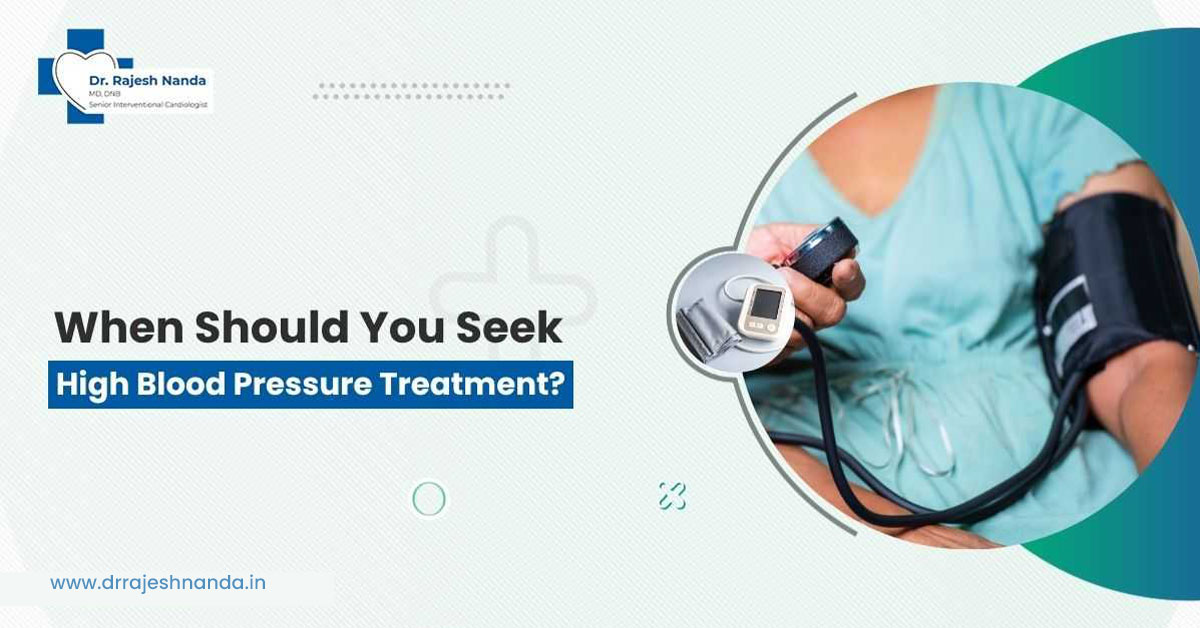
Also Read: When Should You Seek High Blood Pressure Treatment?
Chest pain or discomfort
Chest pain sometimes feels like pressure, tightness, heaviness, squeezing, or burning in the chest. Sometimes, heart-related discomfort may spread to other regions of the body such as your arms, shoulders, back, neck, jaw, or upper abdomen. However, chest pain can also result from digestive problems, muscle strain, or other conditions that you may have;therefore, it should not be ignored without proper medical assessment.
Shortness of breath
Breathlessness after an intense physical activity may be normal. But if you have difficulty breathing during normal activities, while lying down, or while you are at rest, it can point towards a heart or lung problem. When your heart is unable to pump blood properly, fluid may accumulate in your lungs, thus making it difficult to breathe. So, if you frequently become breathless while climbing stairs, walking short distances, or performing everyday tasks, it is recommended to consult a cardiologist.
Irregular heartbeat or palpitations
Racing, pounding, fluttering, or skipped heartbeats are called palpitations. They can occur if you are under too much stress, taking a lot of caffeine, if you are extremely dehydrated, or if you are sleep-deprived. However, if you are experiencing persistent episodes, it may be a sign of an abnormal heart rhythm.
Additionally, if your palpitations happen frequently, last longer than usual, or occur alongside dizziness or weakness, a cardiologist can help identify the cause. When palpitations are accompanied by chest pain, severe breathlessness, or fainting, it should be treated as an emergency.
Unusual fatigue and weakness
If you are experiencing consistent tiredness that is not improving with adequate rest, it may sometimes be associated with cardiovascular conditions. When your heart is unable to circulate blood efficiently, the body’s tissues may not receive enough oxygen-rich blood to meet their needs. Unexplained fatigue, reduced exercise tolerance, or weakness during activities that were previously easy for you should be examined by a qualified healthcare provider. If you have only fatigue, that does not necessarily mean that you have a heart disease, but ongoing or unexplained symptoms deserve medical attention.
Dizziness or fainting
A feeling of dizziness, light-headedness, or, in severe cases, fainting may indicate an abnormal heart rhythm or some other cardiovascular problem. However, it may also be due to dehydration, low blood pressure, medication effects, or other medical conditions.
Swelling in the legs, ankles, or feet
When fluid starts accumulating in the body, you may notice swelling in your lower legs, ankles, or feet. This may be an indication of a serious heart disease or an impending heart failure, particularly when other symptoms are also visible, such as breathlessness, sudden weight changes, or difficulty breathing while lying down.
Risk factors that can increase the chances of heart disease
Even if noticeable symptoms have not appeared, certain lifestyle habits and health conditions can increase the chances of you developing cardiovascular diseases. These factors may include –
High blood pressure
High BP makes the heart work harder in order to circulate blood throughout the body. Over time, it can damage the blood vessels, thereby increasing the risk of heart attacks, strokes, and heart failure. Thus, you must regularly monitor your BP and follow your doctor’s recommendations to protect your heart.
Diabetes
People with diabetes have a higher risk of developing cardiovascular diseases, particularly when blood sugar levels are not properly maintained. Diabetes can also damage blood vessels and contribute to other risk factors such as high BP and abnormal cholesterol levels. Therefore, it is advisable for you to regularly check your sugar levels so that you may control them.
High cholesterol
If you have excess LDL cholesterol, it can accumulate inside your artery walls, form deposits that narrow your arteries and prevent the blood from flowing smoothly. This process is called atherosclerosis. It can increase the risk of coronary artery disease and heart attacks. Your doctor may recommend cholesterol testing and suitable lifestyle changes or medications.
Smoking and unhealthy lifestyle habits
Smoking, tobacco use, lack of physical exercise, an unbalanced diet, and excessive alcohol consumption can cause cardiovascular diseases. Chronic stress and inadequate sleep may also affect heart health. The key is to adopt healthier habits such as a balanced diet and regular exercise.
Family history of heart disease
A family history of heart disease can increase your risk, especially when a close relative, such as a parent or sibling, was diagnosed with a cardiovascular disease at a younger age. If a heart disease runs in your family, it is important to inform your cardiologist about the type of heart condition that your relative suffered from.Based on this information, your doctor may recommend screening tests, regular monitoring of blood pressure and cholesterol levels, and preventive measures to reduce your risk.
Conclusion
Thus, consulting a cardiologist is important because they may identify the symptoms and may let you know the risk factors early. It can help you take timely action to protect your heart from developing any serious issue. Regular check-ups, proper screening, and healthy lifestyle choices can help in reducing cardiovascular disease risk. If you are looking for a cardiologist in Siliguri, you may select a suitable cardiologist by checking their degrees, the years of experience that they have and patient testimonials.
Frequently Asked Questions
Can I have heart disease without experiencing chest pain?
Yes, heart disease can develop without experiencing chest pain. Although chest discomfort is one of the most commonly recognized signs of heart problems, not everyone experiences it. In some cases, heart disease may cause less obvious symptoms such as shortness of breath, unusual fatigue, dizziness, nausea, sweating, or a noticeable reduction in physical activity.
What are the common warning signs of heart disease?
Heart diseases can cause a range of symptoms, depending on the type of cardiovascular condition and the level of severity. Some of the most common symptoms may include chest pain or pressure, shortness of breath, irregular heartbeat, unusual fatigue, dizziness or fainting, and swelling in the ankles or feet.
What tests might a cardiologist recommend?
Depending on the symptoms, a cardiologist may recommend an ECG (electrocardiogram), an echocardiogram, blood tests, an exercise stress test, or ambulatory heart rhythm monitoring. Not every patient needs every test. The doctor decides which tests are appropriate.
Can young adults develop heart disease?
Yes, young adults can very well develop heart disease. This may be because of lifestyle choices such as smoking, excessive alcohol consumption, high cholesterol, and high blood pressure. Some inherited factors can also be a cause of heart disease.
How can I reduce my risk of developing heart disease?
The risk of heart disease can be reduced by eating a balanced diet, engaging in regular physical activity, avoiding tobacco and alcohol, getting adequate sleep, managing stress, and monitoring blood pressure.
Is a racing or irregular heartbeat always a sign of heart disease?
No. Palpitations can occur because of stress, caffeine, dehydration, or lack of sleep. However, persistent episodes should be evaluated, particularly if accompanied by dizziness or weakness. Palpitations with chest pain, fainting, or severe breathlessness require emergency care.