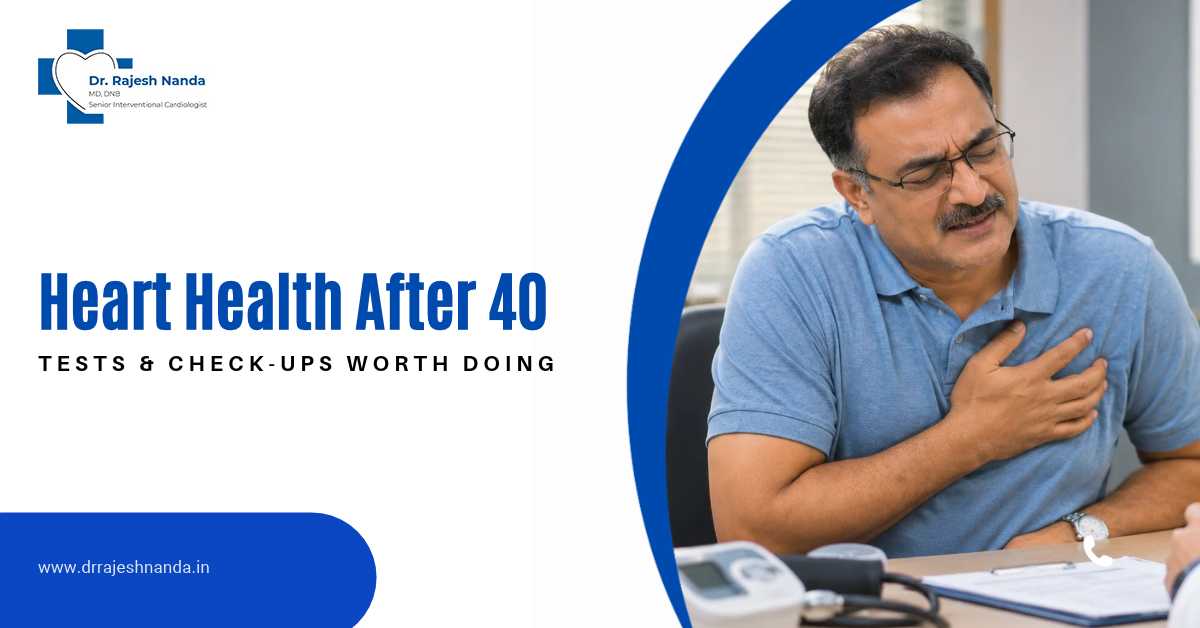


Why is the age 40 so often talked about? This is because 40 is an age when certain changes start appearing, like a slowing metabolism, blood pressure starting to rise, cholesterol levels starting to go south, and your insulin starting to show resistance. While all of these diseases have visible symptoms when they start appearing, heart diseases generally may not show any symptoms. It is only when it reaches a certain serious level that they start creating discomfort. At 40, the body reaches a stage where heart diseases start appearing, and the alarm bells- to reach out to a cardiologist in Siliguri or wherever you are and get your routine health checkups done- start ringing.
.jpg)
However, you might be at sixes or sevens when it comes to which tests need to be done. Worry not; this blog brings you the important heart tests that are needed after 40.
Also Read: How to Choose the Right Heart Doctor for Your Cardiac Health
Blood pressure measurement
If you are 40 and regularly receive normal BP readings, then you may get your BP checked once a year. However, if your readings fluctuate or if you are suffering from other risk factors for heart disease, then you may increase the frequency of getting your BP checked. A reading around 120/80 mmHg is usually considered normal for adults. A reading of 130-139/80-89 mmHg or above is considered high BP, also called hypertension. A reading below 90/60 mmHg is called low blood pressure or hypotension. However, the readings should be interpreted considering other medical conditions and circumstances of the individual.
Lipid Profile Test
High cholesterol can put the heart at risk. Therefore, this test measures the various types of fats that are circulating in the body of an individual. This test includes
- Total cholesterol– it measures the overall amount of cholesterol in your blood.
- LDL cholesterol– it is also called bad cholesterol. If LDL increases, it can build plaque in the arteries.
- HDL cholesterol– it is also called good cholesterol. The reason is that it helps transport cholesterol away from the arteries.
- Triglycerides– a type of fat that provides energy, but they can also increase the risk of cardiovascular diseases if they reach significantly high levels.
High cholesterol in the body usually does not produce visible symptoms. A person may feel completely healthy while plaque may be building up in the arteries.
Blood Sugar Test and HbA1c
If you have chronically high blood sugar levels, your heart may be at risk. The reason is that high blood sugar can damage blood vessels and also disrupt the normal functioning of the heart and other organs. In this group, there are two tests.
Fasting Blood Glucose Test
It tests your blood glucose in the morning before you eat anything that is after an overnight fasting. It checks elevated blood sugar levels and may tell you if you are pre diabetic or if you have diabetes.
HbA1c Test
It measures the percentage of glucose your haemoglobin is carrying. It checks the blood glucose levels over the past 2 to 3 months. Through this test, the doctor confirms if you are pre diabetic or if you have type 2 diabetes.
If you are above 40, this test is significant, especially if you have other risk factors like excess body weight, high blood pressure, or a family history of diabetes.
Electrocardiogram
It is a test that is performed to record the electrical activity of your heart. It usually helps your doctor checkvarious parameters of your heart, such as its rhythm, rate, and electrical abnormalities. Your doctor may recommend you go for an ECG if you consult him with the following symptoms –
- Irregular heartbeat or palpitations
- Unexplained dizziness or fainting
- Discomfort in the chest
- Breathlessness
-
Unusual fatigue which might indicate cardiac problems.
Echocardiogram
This is an ultrasound-based test and provides information about the structure of the heart and its pumping function. You may need to go for this test if your doctor wants to check any of the following.
- The size and structure of your heart’s chambers
- The movement of your heart walls
- The functioning of your heart valves
- The efficiency with which your heart is pumping
Echocardiogram provides a very important measurement which is called the Left Ventricular Ejection Fraction (LVEF). This parameter shows how much blood is being pumped by the left ventricle in each contraction.
Your doctor may recommend this test if they suspect the chances of heart failure, valve disease, structural abnormalities, or some other cardiac conditions.
Treadmill Test
This test is also known as an exercise stress test, and it checks how your heart responds to physical activity. If you go for this test, you will be made to walk on a treadmill, and the speed and incline of the treadmill will be slowly increased. The medical team will monitor the heart rate, blood pressure, symptoms, and ECG changes throughout the test. Your doctor may recommend this test if they suspect you of any coronary artery disease, especially if you have complained of chest discomfort or breathlessness during physical activity. However, this test is not mandatory for individuals who have crossed the age of 40. It depends on whether your cardiologist recommends this test or not.
Conclusion
Your heart health after 40 requires consistent attention even if you feel perfectly normal and have no visible symptoms. Certain conditions like diabetes, high blood pressure, and high cholesterol can develop gradually and increase the risk of cardiovascular disease over time. The key is to consult your cardiologist in Siliguri or at some other place and get your tests done. Taking preventive steps for your heart health today can help your cardiovascular health tomorrow.
FAQs
Which Blood Tests Are Important for Heart Health After 40?
There are many blood tests that can help check the condition of the heart after the age of 40. These include lipid profile, fasting blood glucose test, and HbA1c. At times, kidney function tests are also performed to check both kidney function and heart health, as kidney function is closely related to cardiovascular function and blood pressure regulation.
Is an ECG necessary every year after 40?
ECG is an important test to understand the electrical activity of the heart. However, it is not imperative that an individual after 40 years of age gets this test done every year. It should be performed only when recommended by a doctor.
Can heart disease develop without symptoms?
Yes, heart disease can develop without showing any noticeable symptoms, especially in the early stages. Certain conditions like high blood pressure, high cholesterol, and early coronary artery disease generally do not show any symptoms when they develop. It is only after the person may start feeling considerable discomfort that they are detected.
Can lifestyle changes reduce the risk of heart disease after 40?
Yes, making healthy lifestyle changes after the age of 40 can reduce the risk of heart disease. You can switch to a balanced, heart-friendly diet like fresh fruits, vegetables, whole grains, nuts, and lean protein. It is also important to limit excessive salt, sugar, processed foods, and unhealthy fats, and to exercise regularly.
What are the earlysigns of heart problems after 40?
The earlysigns of heart problems may include chest discomfort, unusual breathlessness, frequent palpitations, unexplained fatigue, dizziness, and reduced tolerance for exercise.